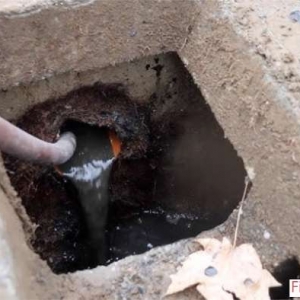
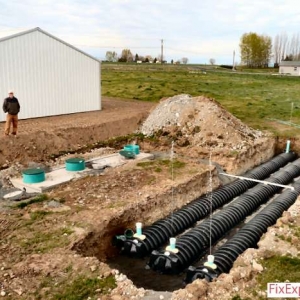
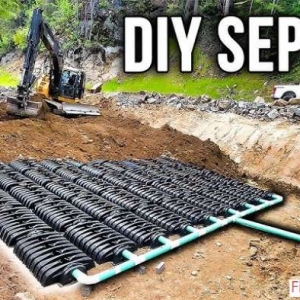
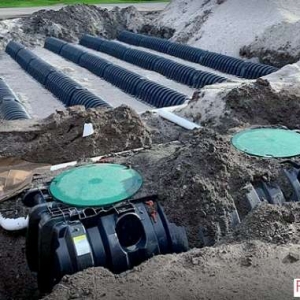
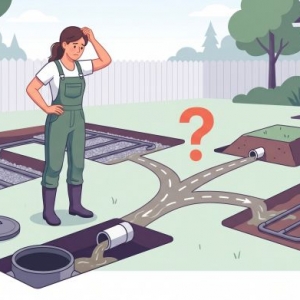
Drain field repair is often necessary when a septic system begins draining slowly, producing outdoor odors, or creating wet areas above the soil surface. Because the drain field completes the wastewater treatment process started inside the septic tank, even small problems in this area can affect the performance of the entire system. Understanding how drain field repair works helps homeowners recognize early warning signs and determine whether a system can be restored without full replacement.
This section explains how septic drain fields function, what causes them to fail, and which repair methods may restore proper drainage depending on soil conditions, system layout, and maintenance history.
Signs Your Drain Field Needs Repair
Most drain field problems develop gradually rather than suddenly. Early warning signs often appear outside the home before plumbing backups begin indoors. Recognizing these symptoms early can prevent more serious system damage.
- Standing water above the drain field area
- Persistent sewage odors outdoors
- Slow drains throughout the house
- Gurgling sounds in plumbing fixtures
- Unusually green or fast-growing grass over the drain field
When these symptoms appear together, the drain field may no longer be dispersing wastewater efficiently and should be inspected before conditions worsen.
What Causes Drain Field Failure
Drain field failure usually occurs when soil surrounding the distribution pipes loses its ability to absorb wastewater. This can happen for several reasons, including solids escaping from the septic tank, compacted soil above the drain field, excessive household water use, or improper installation depth.
Root intrusion, vehicle traffic over the drain field area, and blocked distribution pipes can also interfere with normal drainage. In some cases, the problem begins with the septic tank itself if sludge buildup reaches the outlet and enters the drain field trenches.
Can a Drain Field Be Repaired Without Replacement?
Not all drain field problems require full system replacement. In many situations, targeted repairs can restore proper performance if the soil structure is still capable of absorbing wastewater. Clearing blocked pipes, correcting distribution box alignment, or reducing hydraulic overload may improve drainage conditions.
However, when the surrounding soil becomes permanently clogged or saturated, replacement of part or all of the drain field may be necessary. Determining whether repair is possible usually depends on how long the problem has existed and how severely the soil absorption area has been affected.
Common Drain Field Repair Methods
Several repair approaches may be used depending on the cause of the failure. Some repairs focus on restoring wastewater flow, while others address soil conditions around the trenches.
- Cleaning or replacing damaged distribution pipes
- Adjusting or repairing the distribution box
- Reducing excess water entering the system
- Restoring airflow within the drain field trenches
- Correcting surface drainage that overloads the field
These solutions are often most effective when problems are identified early and routine septic tank maintenance has been performed regularly.
Repair vs Replacement: When a Drain Field Needs More Than Repairs
If a drain field continues showing signs of failure even after pumping the septic tank and correcting distribution problems, the soil absorption area may no longer function properly. Long-term saturation or biological clogging can prevent wastewater from dispersing safely.
In these cases, replacement of the affected trenches or installation of a new drain field area may be required. Evaluating repair options early helps homeowners avoid unexpected system downtime and reduces the likelihood of emergency excavation later.
How Maintenance Affects Drain Field Performance
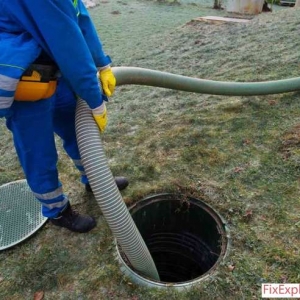
Regular septic tank pumping plays a major role in protecting the drain field from damage. When solids remain inside the tank instead of entering the drain field trenches, soil absorption remains more effective over time.
Managing water usage, keeping heavy vehicles away from the drain field area, and directing roof runoff away from the system can also extend drain field life and reduce the need for repairs.