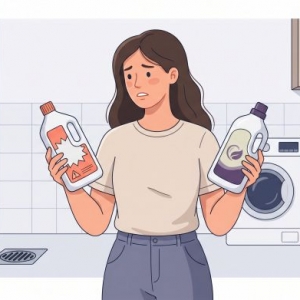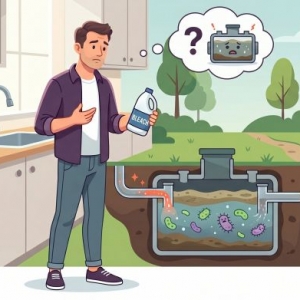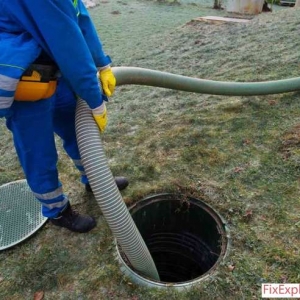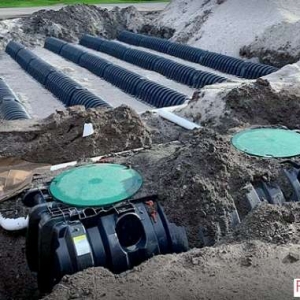
We’ve opened enough septic tanks and chased enough failing drain fields to say this without hesitation—most drain cleaners sold as “powerful” are quietly destroying septic systems from the inside out.
When you pour something down a drain, it doesn’t disappear. It enters a sealed, watertight container—your septic tank—where anaerobic digestion, solid waste separation, and biological treatment happen in a delicate balance. Disrupt that balance, and the entire wastewater treatment cycle starts to fail.
So the real question isn’t just what drain cleaner is safe for septic systems. The real question is: what can you use without collapsing the microbiome, pushing solids into the outlet tee, and prematurely sealing your drain field biomat?
Quick Diagnostic Guide: Septic-Safe Drain Cleaning
| Symptom | Likely Culprit | Quick Test | DIY Fixable? |
|---|---|---|---|
| Single slow drain | Localized grease clog | Run hot water 2–3 min | Yes |
| Gurgling at lowest drain | Partial main line blockage | Flush toilet, listen for air | Yes |
| Multiple slow fixtures | Tank near sludge capacity | Check pump history (3–5 yrs) | Maybe |
| Wet, spongy yard | Drain field saturation | Probe soil near lateral lines | No |
| Fast sewage backup | Outlet tee or effluent filter clogged | Inspect cleanout flow | Yes/No |
Why Septic Systems React Differently to Drain Cleaners Than City Sewer Lines
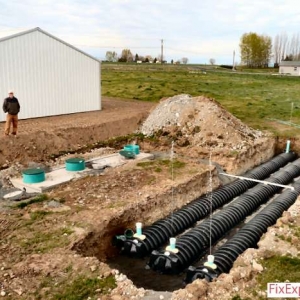
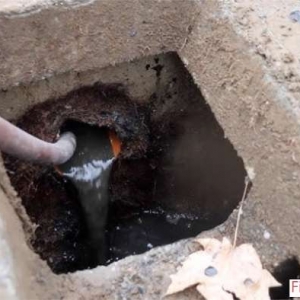
In a municipal sewer system, wastewater is flushed away quickly and treated at a centralized plant. In a septic system, everything stays on your property inside a two-compartment tank—typically 1000 to 1500 gallons—where solids settle, grease floats, and bacteria break everything down.
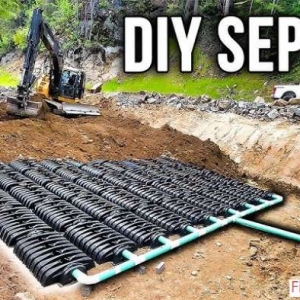
The inlet tee directs incoming wastewater downward, preventing disturbance of the scum layer. The outlet tee, often fitted with an effluent filter, ensures only properly separated liquid effluent leaves the tank and enters the distribution box. That effluent then flows into lateral lines laid in drain rock trenches, where soil percolation handles the final treatment.
When you introduce harsh chemicals into this system, you’re not just clearing a pipe—you’re altering pH, killing anaerobic bacteria, and disrupting the sludge-to-effluent separation process. That leads to suspended solids escaping into the drain field, where they clog soil pores and accelerate biomat failure.
The Role of Anaerobic Bacteria Inside the Tank
Inside a septic tank, anaerobic bacteria operate without oxygen to break down organic waste. This digestion reduces sludge volume and stabilizes solids so they settle properly at the bottom.
When chemicals like sodium hydroxide or chlorine bleach enter the tank, they kill or severely reduce these bacteria. We’ve opened tanks where digestion stopped almost completely—sludge levels rose twice as fast, requiring pump-outs every 1–2 years instead of the normal 3–5.
Keeping that microbiome stable is the single most important factor in long-term septic health. Anything you use must support—not sterilize—that environment.
How the Outlet Tee and Effluent Filter Get Overloaded
The outlet tee is your last line of defense before wastewater enters the drain field. It prevents floating scum and settled sludge from escaping.
When digestion fails, solids don’t separate correctly. Instead of settling, they stay suspended in the liquid effluent and flow directly into the outlet tee and effluent filter.
Once that filter clogs, flow slows, pressure builds inside the tank, and wastewater starts backing up into the house—or worse, forcing partially treated waste into the distribution box under pressure.
The Only Drain Cleaners That Are Actually Safe for Septic Tanks
We’re not going by marketing labels here—we’re going by what we’ve seen inside tanks and trenches after years of use.
A septic-safe cleaner must meet three conditions: it must not kill bacteria, must not alter pH drastically, and must not introduce non-biodegradable solids into the system.
Only a small category of products meets all three.
Enzyme-Based Cleaners and Biological Additives
These cleaners use live enzymes and sometimes bacterial cultures to break down organic material like grease, hair, and food waste.
Mechanically, enzymes reduce the size of organic particles. Biologically, they support the existing anaerobic digestion process rather than replacing it. Chemically, they operate within a neutral pH range (around 6.5–7.5), which keeps the tank stable.
We’ve seen systems using enzyme cleaners maintain thinner sludge layers and cleaner effluent leaving the outlet tee—especially in households with high grease loads.
Surfactant-Based Cleaners (Low-Impact Use)
Surfactants—found in dish soap—reduce surface tension, allowing grease and oils to break apart and flow more easily.
Unlike harsh chemicals, they don’t kill bacteria. Instead, they help distribute fats so bacteria can digest them more efficiently in the scum layer.
But overuse matters. Too much surfactant can emulsify grease excessively, allowing it to bypass normal separation and move into the effluent layer—raising the risk of drain field contamination.
The Chemical Drain Cleaners That Trigger System Failure Cascades
This is where we see the biggest—and most expensive—mistakes.
Homeowners use a chemical cleaner to fix a slow drain. It works temporarily. But weeks or months later, the system starts failing in ways that don’t seem connected—until you trace it back.
Here’s the real chain reaction.
Failure Cascade: From Chemical Use to Drain Field Failure
Stage 1 – Immediate Effect: Chemical cleaner kills anaerobic bacteria and disrupts pH balance.
Stage 2 – System Impact: Sludge digestion slows, solids remain suspended, and effluent leaving the outlet tee becomes contaminated.
Stage 3 – Long-Term Consequence: Solids enter the distribution box and lateral lines, clogging the biomat and reducing soil permeability until the drain field saturates.
We’ve excavated lateral trenches where this exact sequence turned a 20-year system into a failure in under 8 years.
Material Damage Inside the Tank and Pipes
Acidic cleaners (like sulfuric acid) attack concrete tanks, slowly dissolving the inner surface. Alkaline cleaners (like lye) can weaken PVC joints and accelerate corrosion in steel tanks.
Even polyethylene tanks can suffer long-term chemical stress, becoming brittle over time. The damage is slow—but once it starts, it’s irreversible.
How to Clear a Drain Without Destroying Your Septic System
This is exactly how we handle clogged drains in septic homes—step by step, without risking the system.
Each method avoids disrupting the tank microbiome, the outlet tee function, and the downstream drain field.
Skip steps, and you risk turning a simple clog into a system-wide issue.
Step 1: Mechanical Removal Using Auger or Snake
The Action: Insert a drain snake or auger
The Why: Physically removes obstruction without affecting bacteria or pH
The Execution: Use a hand auger for sinks, or a 25–50 ft powered auger for main lines
The Expected Result: Immediate restoration of flow
The Pivot: If clog feels soft/greasy, proceed to surfactant flush
Step 2: Controlled Hot Water and Surfactant Flush
The Action: Flush with hot water and dish soap
The Why: Breaks down grease without harming anaerobic digestion
The Execution: Use water below boiling to protect PVC (140–160°F range)
The Expected Result: Gradual clearing of grease-based restriction
The Pivot: If flow does not improve, use enzyme cleaner overnight
Step 3: Enzyme Treatment for Organic Breakdown
The Action: Apply enzyme-based cleaner
The Why: Supports biological breakdown of organic material
The Execution: Apply during low water use (overnight)
The Expected Result: Improvement over 24–48 hours
The Pivot: If no change, inspect septic components
The Soil and Drain Field: Where All Mistakes Show Up
Your drain field is not just dirt—it’s a carefully balanced soil absorption system.
Effluent leaves the distribution box and flows into lateral trenches filled with drain rock. From there, it moves through soil layers where filtration and biological treatment continue.
This process depends heavily on soil permeability and percolation rates—typically measured in minutes per inch. Ideal ranges fall between 1 and 60 minutes per inch, depending on soil type.
Biomat Formation and Soil Percolation Failure
The biomat is a thin biological layer that forms where effluent meets soil. It’s essential—it slows water enough for proper filtration.
But when overloaded with solids or chemicals, it thickens excessively and seals the soil surface. Once sealed, water cannot infiltrate, and the system begins to fail.
This is when you see effluent surfacing, saturated ground, and strong sewage odors—especially at night when temperatures drop and gases settle.
Hydraulic Overload and Saturation Behavior
A typical system is designed for about 120 gallons per person per day. Exceed that, and hydraulic loading overwhelms the soil.
Water moves faster than soil can absorb it, filling pore spaces and creating saturation. Once saturated, the system loses its ability to treat wastewater, and untreated effluent can reach groundwater.
In pump-assisted systems, this behavior changes slightly—pressure dosing can distribute flow more evenly, but chemical damage still accelerates biomat failure.
Component-Level Inspection: What We Actually Check in the Field
When a drain problem doesn’t respond to safe cleaning methods, we don’t guess—we inspect specific components.
Every failure leaves physical evidence. You just need to know where to look.
And we always start at the tank before blaming the drain field.
Inlet Tee, Sludge Layer, and Scum Separation
We check if incoming wastewater is disturbing the scum layer. If the inlet tee is damaged or missing, turbulence increases and solids mix into the effluent layer.
A healthy tank shows clear separation: scum on top, sludge at bottom, and relatively clear effluent in the middle.
If layers are blurred, digestion is failing—often due to chemical disruption.
Outlet Tee, Effluent Filter, and Distribution Box Flow
We inspect the outlet tee and effluent filter for clogging. A blocked filter restricts flow and increases internal tank pressure.
Then we check the distribution box to ensure even flow to lateral lines. Uneven distribution causes one trench to overload while others remain underused.
This imbalance accelerates localized biomat failure and shortens system lifespan.
FAQs
What drain cleaner is safe for septic systems?
Enzyme-based cleaners are the safest because they support anaerobic digestion instead of killing the bacteria that process waste. Many homeowners mistakenly use chemical cleaners for speed, but that often leads to long-term septic damage.
Can bleach damage a septic tank?
Yes, in large or frequent doses bleach kills beneficial bacteria and disrupts pH balance. Occasional small amounts are tolerated, but heavy use can stop digestion and increase sludge buildup significantly.
Are antibacterial soaps bad for septic systems?
Yes, regular use reduces bacterial populations needed for proper waste breakdown. This is especially problematic in smaller tanks (750–1000 gallons) where bacterial balance is more easily disrupted.
Do enzyme additives really help?
Yes, but mainly as a support—not a fix. They help maintain balance in high-use systems, but they won’t repair structural issues like a clogged outlet tee or saturated drain field.
What happens if I keep using chemical drain cleaners?
You’ll likely trigger a failure cascade: bacterial die-off, sludge buildup, solids entering the drain field, biomat sealing, and eventually full drain field failure requiring costly replacement.
Final Word From the Field
Your septic system is a living treatment system buried in your yard—not a pipe you can blast with chemicals.
Use mechanical cleaning first, enzyme-based cleaners second, and avoid harsh chemicals entirely. Because once that biological balance is gone, you’re not fixing a drain—you’re rebuilding an entire septic system from the ground up.