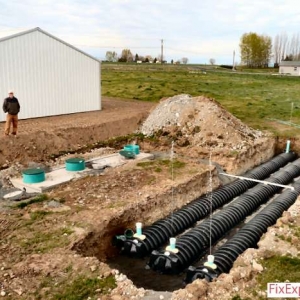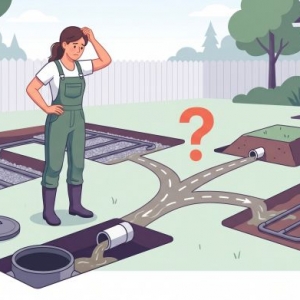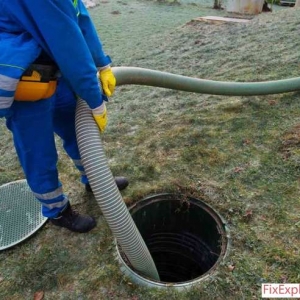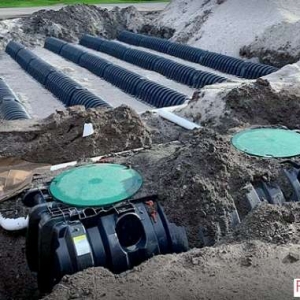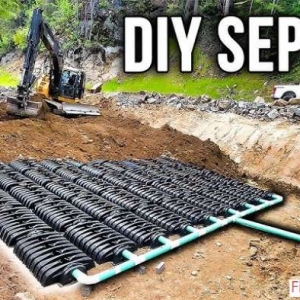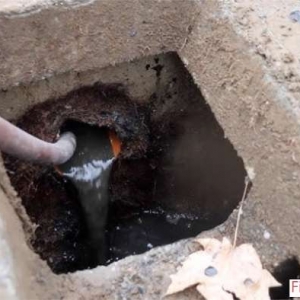
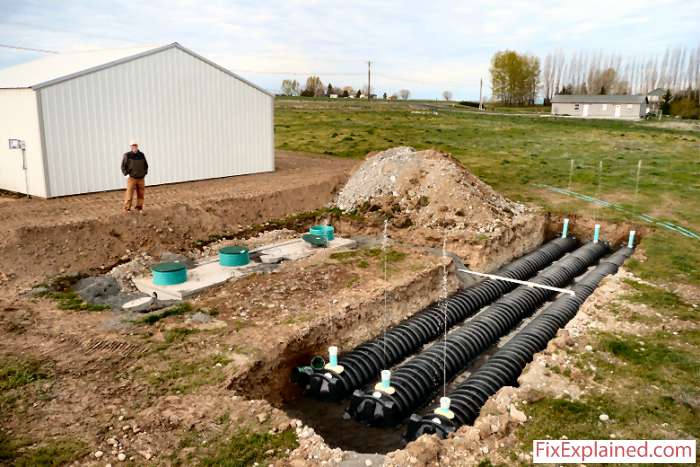
Yes, you can have a septic tank without a leach field in a few very specific setups, but a standard septic tank by itself is not a complete wastewater treatment system. In the real world, the tank only handles the first stage: it separates solid waste, floating scum, and liquid effluent. That partially treated effluent still has to go somewhere. In most residential systems, that “somewhere” is the drain field, also called the leach field.
We have seen plenty of homeowners assume the tank is the whole system because that is the only visible part they know about. Then the yard starts smelling sour, toilets get sluggish, or effluent begins surfacing after rain. That is when the expensive lesson hits: the septic tank stores and separates, but the soil treatment area does the final filtering. Without that second half, the wastewater treatment cycle is incomplete.
If there is no leach field, the property usually relies on one of three things: a holding tank that must be pumped often, an advanced treatment unit with another approved discharge method, or a straight-up illegal or failed arrangement. That distinction matters because the answer is not just about whether wastewater disappears. It is about whether it is being treated safely, legally, and long-term.
Quick Diagnostic Guide: Can You Have a Septic Tank Without a Leach Field?
| Symptom | Likely Culprit | Quick Test | DIY Fixable? |
|---|---|---|---|
| Tank fills unusually fast | No discharge area or failed outlet path | Check pump-out frequency and inspect outlet tee flow | No |
| Wet, smelly yard near tank | Effluent surfacing from saturated ground or failed field | Probe soil for soggy zones and sewage odor | No |
| Toilets gurgle after heavy water use | Hydraulic overload backing up from nowhere for effluent to go | Run bathtub and watch lowest drain for air burps | Sometimes |
| Pump truck needed every few weeks | Holding tank setup or hidden system failure | Ask for permit records and compare with tank size | No |
| Grass is bright green over one area | Leaking effluent line or failing lateral lines | Look for lush, spongy strips in dry weather | No |
| Sewage odor near lids at night | Overfull tank, broken baffle, or venting from overload | Inspect for odor intensity after laundry or showers | Sometimes |
Why a Septic Tank Alone Is Not Usually Enough
The confusion starts because a septic tank looks substantial. It is buried, concrete or plastic, and tied directly to the house sewer. But mechanically, it is just a watertight container that slows incoming wastewater so gravity can do some sorting.
The heavy solids settle into sludge. The fats and floating debris rise into the scum layer. The middle layer, which is liquid effluent, exits through the outlet tee and moves to the next treatment stage. That next stage is usually the septic drain field.
The septic tank is a separator, not a full treatment plant
The tank works through anaerobic digestion, meaning bacteria break down waste in a low-oxygen environment. That process reduces some solids, but it does not disinfect the water or remove all nutrients, pathogens, and fine suspended particles.
That is why the drain field matters so much. The soil below the lateral lines, the drain rock, and the biomat layer all work together to filter and finish the treatment process. Without that, liquid effluent remains a contamination risk.
- Sludge layer settles: Heavy solids drop to the bottom.
- Scum layer floats: Grease and lighter materials rise to the top.
- Outlet tee protects: The outlet tee draws from the relatively clear middle zone.
- Soil finishes treatment: Microbes and soil pores remove what the tank cannot.
Image prompt: Cross-section of a two-compartment septic tank showing sludge layer, scum layer, inlet tee, outlet tee, liquid effluent path, and flow toward a leach field; realistic plumbing diagram, clean labels, professional educational style.
When You Actually Can Have a Septic Tank Without a Leach Field
There are legitimate cases where a property does not use a traditional leach field. The key is that the septic tank is not standing alone in a normal residential sense. It is paired with some other approved wastewater handling method.
This is where homeowners get tripped up. They hear “no leach field” and assume that means the tank alone is fine. Usually, it means there is another engineered solution in place.
Holding tanks: legal in some places, expensive almost everywhere
A holding tank is exactly what it sounds like. It stores wastewater but does not discharge it into soil. There is no drain field, no lateral lines, and no final soil treatment area. A pump truck removes the contents on a regular schedule.
Mechanically, this works because the tank is acting as sealed storage only. But that also means every gallon entering the house must eventually be hauled away. A family using 250 to 400 gallons per day can fill a modest tank surprisingly fast, especially if there is a leaking toilet flapper or high-volume laundry routine.
Aerobic or advanced treatment units with alternate dispersal
Some systems use aeration treatment instead of relying mainly on anaerobic digestion inside a basic tank. These units inject oxygen, grow a different bacterial population, and produce cleaner effluent before it reaches the discharge stage.
Even then, the wastewater usually still needs an approved endpoint. That might be a mound system, drip dispersal, sand filter, evapotranspiration bed, or another code-approved discharge method. The point is the traditional leach field may be absent, but the treatment train is still complete.
Temporary or emergency setups that should never become permanent
We sometimes see abandoned houses, cabins, or off-grid properties with a tank but no real dispersal field. Sometimes the outlet is capped. Sometimes the old field failed and the owner kept using the house anyway. Sometimes effluent is being diverted illegally to a ditch or pit.
That is not a functional septic design. It is deferred failure. Once the tank reaches capacity or the effluent has nowhere safe to go, the problems start stacking up fast.
What Happens if There Is No Drain Field at All
If a standard septic tank has no drain field, the system does not magically become low-maintenance. It becomes unstable. Wastewater entering the tank keeps arriving every day, and the tank volume is finite.
Once that liquid has nowhere to discharge, one of several ugly outcomes shows up. The timing depends on water use, tank size, and whether there is some hidden outlet leak, but the chain reaction is predictable.
The tank fills faster than most homeowners expect
The Action: Track how often the tank needs pumping versus your household water use.
The Why: A tank without a functional outflow becomes storage, not treatment. If a home sends 300 gallons per day into the system, a 1,000-gallon tank can lose usable capacity quickly because sludge and scum already occupy part of the internal volume.
The Execution: Review pumping receipts, estimate daily water use from utility bills, and compare that number to tank size. A septic contractor can verify the working liquid depth and sludge accumulation with a sludge judge.
The Expected Result: In a normal septic system, frequent pump-outs should be years apart, not every few weeks or months.
The Pivot: If the tank keeps filling rapidly, either you have a holding tank by design or the outlet side is failing, blocked, or missing.
Hydraulic overload pushes solids where they do not belong
The Action: Check whether excessive water use has been forcing sludge or scum toward the outlet side.
The Why: When wastewater enters faster than the system can settle and discharge, turbulence inside the tank increases. That turbulence can carry suspended solids past damaged baffles or outlet tees, contaminating the distribution box and lateral lines if a field still exists somewhere downstream.
The Execution: Have the outlet baffle, effluent filter, and outlet tee inspected during pumping. Ask whether solids have migrated beyond the tank.
The Expected Result: A healthy tank keeps most solids inside the vessel.
The Pivot: If solids are escaping, you are no longer dealing with routine maintenance. You are dealing with premature field damage or complete system redesign territory.
Effluent can surface in the yard or back up into the house
The Action: Look for wet soil, sewage odor, slow drains, and gurgling fixtures after high water use.
The Why: Wastewater follows pressure. If it cannot move outward through a proper soil absorption area, hydrostatic pressure builds. That pressure seeks the path of least resistance, which may be a weak pipe joint, a cracked lid riser, or your lowest drain inside the house.
The Execution: Walk the area downhill from the tank, especially 12 to 48 hours after laundry day or heavy showers. Use a probing rod carefully and call utility locating services before any digging.
The Expected Result: The yard should stay firm and odor-free in dry weather.
The Pivot: If you find black, gray, or foul-smelling wetness, stop treating it like a nuisance and start treating it like sewage exposure.
Image prompt: Homeowner-safe inspection scene showing septic tank area, soggy grass, probe rod, warning cones, and no open tank; realistic outdoor plumbing diagnosis, overcast lighting, highly practical field scene.
The Leach Field Does More Work Than Most People Realize
Homeowners often think the leach field is just a place where water disappears. That is not even close to the full story. The field is where much of the final treatment happens.
The liquid leaving the tank is still biologically active. It carries nutrients, pathogens, dissolved organics, and fine solids. The soil must be able to accept, spread, and treat that load over time.
Soil percolation is not just a formality
Soil percolation refers to how quickly water moves through soil, often measured in minutes per inch during site evaluation. If water races through coarse sand, treatment may be inadequate before it reaches groundwater. If it moves too slowly through clay, the field saturates and effluent surfaces.
That is why soil permeability matters so much. A proper system is designed around real loading rates, not guesses. The leach field size, trench length, and daily gallons per day capacity all depend on how the native soil behaves.
The biomat is helpful until it becomes too thick
The biomat is a slimy biological layer that forms where effluent enters the soil. In moderation, it helps treatment by slowing the flow and supporting microbial breakdown. But once it gets too thick, it acts like a clogging membrane.
That is when biomat failure starts strangling infiltration. Effluent can no longer move downward properly, saturated ground develops, and the field turns from treatment asset into bottleneck. This is one reason leach field rejuvenation sometimes works and sometimes does not. If the soil structure is already smeared, compacted, or permanently clogged with solids, the textbook fix fails.
Drain rock, lateral lines, and the distribution box must stay balanced
The distribution box splits flow evenly to the lateral lines. If one line gets more liquid than the others because the box is tilted or clogged, that trench overloads first. Once one trench saturates, the whole field begins to act smaller than it was designed to be.
The drain rock keeps void space around the perforated pipes so effluent can spread laterally before entering soil. If fines, grease, or solids invade that layer, the hydraulic capacity drops. That is how a seemingly minor outlet problem in the tank becomes a full drain field repair bill later.
The Situations Where a No-Leach-Field Setup Fails Fast
This is where experience matters more than theory. On paper, homeowners may think reduced water use buys them unlimited time. In practice, a few common edge cases can collapse a marginal system much faster than expected.
We have seen these chain reactions many times, and they usually start with something the owner thought was harmless.
A leaking toilet flapper can wreck the whole system quietly
A toilet flapper leak may send dozens or even hundreds of extra gallons per day through the system. That constant trickle keeps the tank hydraulically busy, stirs solids more often, and pushes extra liquid downstream around the clock.
Mechanically, that means less settling time in the tank and more liquid load on the field or holding capacity. Over weeks and months, the overload can force suspended solids past the outlet tee, foul the distribution box, and accelerate biomat thickening in the soil interface.
Powder detergents and grease loads can shorten field life
Cheap powder detergents can leave mineral residues and fillers behind, while kitchen grease cools and thickens in the tank and piping. Neither one belongs in large amounts inside a septic system.
The problem is not just “bad stuff goes in.” It is that residues can add to sludge buildup, while grease contributes to scum thickening and flow restriction. That changes how efficiently the tank separates waste, and the downstream system pays the price.
Saturated ground after storms can mimic total system failure
When surrounding soil is already waterlogged, even a decent field temporarily loses its ability to accept effluent. The soil pores that normally hold air become filled with water, and infiltration slows sharply.
That is why homeowners often report backups after heavy rain and assume the tank itself failed. Sometimes the tank is fine. The real issue is that the receiving soil has no oxygen space left, so the whole system backs up from the bottom end.
Image prompt: Detailed septic drain field cutaway showing lateral lines, drain rock, biomat layer, saturated soil, and effluent movement arrows; realistic educational diagram, contractor-grade clarity, natural earth tones.
How to Diagnose Whether You Truly Have No Leach Field or Just a Failed One
We do not like guessing with buried infrastructure. Plenty of owners believe they have no leach field when the real problem is an abandoned, buried, collapsed, or clogged field they did not know existed.
The safest approach is to confirm the system layout first, then diagnose the performance problem.
Start with permits, as-built drawings, and pump records
The Action: Pull any septic permit, site sketch, pumping invoice, or property record you can find.
The Why: Paperwork often reveals whether the property was permitted with a standard drain field, a holding tank, a mound, or an advanced treatment system. That keeps you from making bad assumptions before spending money.
The Execution: Contact the local health department, building department, or environmental office. Ask specifically for septic permit history, tank size, approved gallons per day, and dispersal type.
The Expected Result: You should learn whether the property was ever legally approved with a soil absorption area.
The Pivot: If records are missing, move to field locating and live system inspection.
Locate the outlet pipe, distribution box, and any lateral lines
The Action: Trace the system downstream from the tank outlet.
The Why: A working septic tank should lead somewhere. If the outlet line runs to a distribution box, you likely have a field. If it dead-ends, is capped, or runs to an unapproved pit, you have a serious design or compliance issue.
The Execution: Use a septic locator, probing rod, inspection camera, or dye test performed by a qualified pro. Never dig blindly without utility marking.
The Expected Result: You should identify the next component after the tank.
The Pivot: If you cannot find a legal dispersal component, stop assuming normal maintenance will solve this.
Inspect the tank internals: baffles, tees, and filter condition
The Action: Have the inlet tee, outlet tee, baffles, and effluent filter inspected during pumping.
The Why: Broken internal components allow solids to escape or incoming turbulence to disrupt settling. That can make a good field behave like a bad one and can also mimic the symptoms of having no field at all.
The Execution: Hire a licensed septic professional. Do not lean into an open tank because methane and hydrogen sulfide can overcome a person quickly.
The Expected Result: The tees and baffles should be intact, with the outlet pulling from the clear zone.
The Pivot: If those components are damaged, repair them first before judging the condition of the entire system.
How System Type Changes the Long-Term Cost
Homeowners usually focus on installation cost, but the real pain often shows up in operations and maintenance. A setup without a conventional leach field can be perfectly legal and still cost far more over time.
The reason is simple: once you remove passive soil treatment from the design, some other part of the system must work harder, be serviced more often, or be pumped more frequently.
Holding tanks often look cheaper until pumping bills start stacking up
A holding tank may avoid the cost of field construction on a difficult lot, but it shifts the burden to regular pumping. For a full-time home, that can become brutally expensive. High-water-use households feel it first.
We have seen owners reduce showers, delay laundry, and still lose the cost battle because the basic math never changed. Every gallon still has to leave by truck.
Advanced systems trade soil space for mechanical complexity
Aerobic units, pumps, alarms, blowers, and filters can make impossible sites buildable. But now the treatment depends on electrical parts, service intervals, and operator attention.
That is not necessarily bad. It just means your maintenance discipline has to match the system. Ignore service on an advanced unit, and the effluent quality drops. Once that happens, the downstream dispersal component can foul faster than expected.
Material Lifespan Matters More Than Most Homeowners Think
Not all tanks age the same way. If you are evaluating a property with a questionable system layout, the tank material and age matter because the vessel itself may be nearing the end of its service life.
That becomes especially important when owners are tempted to keep using an old tank without a proper field.
Concrete, fiberglass, and polyethylene do not fail the same way
- Concrete tanks: Often last decades, commonly around 30 to 40 years or more when well-made and not exposed to severe corrosion, but poor concrete and acidic conditions can shorten life.
- Fiberglass tanks: Resist corrosion well and are lighter to install, but poor bedding or shifting soils can create structural stress issues.
- Polyethylene tanks: Resist many corrosion problems and are common in some markets, but they rely heavily on proper backfill support and can deform if installed badly.
If the wastewater pH swings hard because of chemical dumping, or if groundwater pressure rises around an empty or poorly anchored tank, material performance changes. That is another reason a no-leach-field shortcut can create secondary structural problems, not just treatment failures.
Can a Failed Leach Field Be Rejuvenated Instead of Replaced?
Sometimes yes, but not always. This is one of those topics where blanket advice causes expensive mistakes. Leach field rejuvenation can help in the right failure mode, but it is useless in the wrong one.
The trick is figuring out whether the problem is biological clogging, hydraulic overload, soil compaction, root intrusion, or structural collapse.
When rejuvenation has a real chance
The Action: Reduce water load immediately and determine whether the field is clogged biologically rather than structurally destroyed.
The Why: If the field still has intact soil structure and functioning trenches, resting the system and correcting overload sources may allow some recovery in the biomat-soil interface.
The Execution: Fix leaking fixtures, spread laundry over the week, pump the tank if needed, clean the effluent filter, and have the distribution box checked for even flow.
The Expected Result: Surface wetness and backup symptoms may improve if the field was stressed rather than permanently ruined.
The Pivot: If the field remains saturated despite load reduction and proper tank condition, the problem is likely deeper than routine recovery steps can solve.
When the standard fix fails
If lateral lines are crushed, the drain rock is packed with solids, the soil was compacted by vehicles, or the site has chronically high groundwater, rejuvenation is usually wishful thinking. The system may need full drain field repair or replacement.
That is the advanced edge case many articles skip. Once soil structure is physically damaged, you cannot biologically “clean” your way out of it. The pores that needed to transmit and treat wastewater are simply gone or blocked.
What to Do if You Suspect Your Property Has a Tank but No Real Drain Field
This is the point where many homeowners either save themselves a lot of money or make the problem much worse. The wrong move is continuing normal water use while hoping the issue is minor.
The right move is controlled diagnosis and temporary load reduction.
First: cut water use hard
The Action: Immediately reduce laundry, long showers, dishwasher cycles, and any nonessential water use.
The Why: Less hydraulic input buys time and reduces pressure on a system that may have no safe discharge path.
The Execution: Wash full loads only, stagger bathing, fix toilet leaks, and redirect roof or sump water away from any septic area.
The Expected Result: Symptoms may stabilize enough for inspection without triggering a full backup.
The Pivot: If backups continue even with aggressive conservation, the system is likely already beyond safe daily use.
Second: get the tank inspected during pumping
The Action: Schedule a pump-out with a contractor who will actually inspect, not just empty and leave.
The Why: Pumping gives the clearest look at internal condition, baffles, tees, water level behavior, and whether effluent is returning abnormally fast.
The Execution: Ask for photos of the inlet, outlet, tank walls, lids, and any filter condition. Request written notes.
The Expected Result: You should leave with evidence, not guesses.
The Pivot: If the contractor refuses to assess internals, get a better contractor.
Third: verify the legal system design before spending on repairs
The Action: Confirm what the property is actually permitted to use.
The Why: Spending money on small repairs to a system that was never legally compliant is how owners burn cash twice.
The Execution: Match permit records to what is physically on site. If they do not match, bring in a septic designer or local authority early.
The Expected Result: You should know whether you are repairing a failure or correcting an illegal setup.
The Pivot: If the site cannot support a conventional field due to soil permeability, setbacks, or groundwater, start evaluating engineered alternatives instead of chasing cosmetic fixes.
Safety Warnings That Matter Here
Septic systems are not just unpleasant. They can be dangerous fast, especially when homeowners start opening lids or poking around failed components.
- Never enter a tank: Methane and hydrogen sulfide can overwhelm a person within seconds.
- Never lean over an open tank: Gas exposure and collapse risks are real even from the opening.
- Never walk on weak lids: Rusted steel, old concrete, or hidden covers can fail without warning.
- Call before digging: Utility strikes are a serious hazard around buried septic infrastructure.
- Treat wet sewage areas as biohazards: Keep children, pets, and bare skin away from surfacing effluent.
FAQs
These are the questions homeowners usually ask once they realize the tank may not be the whole story.
Can a septic tank work without a leach field?
Only in special systems, like a holding tank or an advanced treatment setup with another approved discharge method. A normal septic tank alone does not complete wastewater treatment.
What happens if you only have a septic tank?
The tank will eventually fill or force wastewater to back up, leak, or surface unless the property has another legal way to manage effluent. The tank separates waste, but it does not eliminate the need for final treatment or disposal.
Is it illegal to have a septic tank without a drain field?
Often yes for a conventional residential septic setup, but it depends on local code and the approved system type. A permitted holding tank or engineered alternative may be legal, while a standard tank with no approved effluent handling usually is not.
How do I know whether I have a holding tank or a real septic system?
Check permits, pumping frequency, and whether an outlet leads to a distribution box or dispersal area. If the tank needs very frequent pumping and no field exists, you may have a holding tank or a failed system.
Can a failed drain field be repaired?
Sometimes, yes, but only if the failure is limited and the soil structure is still viable. If solids invaded the trenches, the biomat is severely clogged, or the soil is compacted or saturated long-term, full replacement is often more realistic than minor repair.
Will pumping the tank solve the problem?
Only temporarily if the real issue is the missing or failed discharge area. Pumping removes stored waste, but it does not create treatment capacity where none exists.
The Bottom Line
A septic tank without a leach field is not automatically impossible, but for a standard home septic system, it is usually incomplete by design or failing in practice. The tank handles solid waste separation. The drain field, or another approved treatment stage, handles the part most people never see: final filtration, microbial polishing, and safe dispersal of liquid effluent.
So if you are asking, “can you have a septic tank without a leach field,” the honest answer is this: only if another legal, engineered solution is doing that job instead. If nothing is handling the effluent after it leaves the tank, you do not have a finished septic system. You have a problem that is just waiting to show itself in the yard, the plumbing, or your wallet.