

A lingering bad smell from the kitchen sink can be unpleasant and embarrassing for any homeowner. Thankfully, knowing how to make your kitchen sink smell good is straightforward with the right approach. By understanding the cause and applying some practical solutions, you can keep your sink smelling fresh.
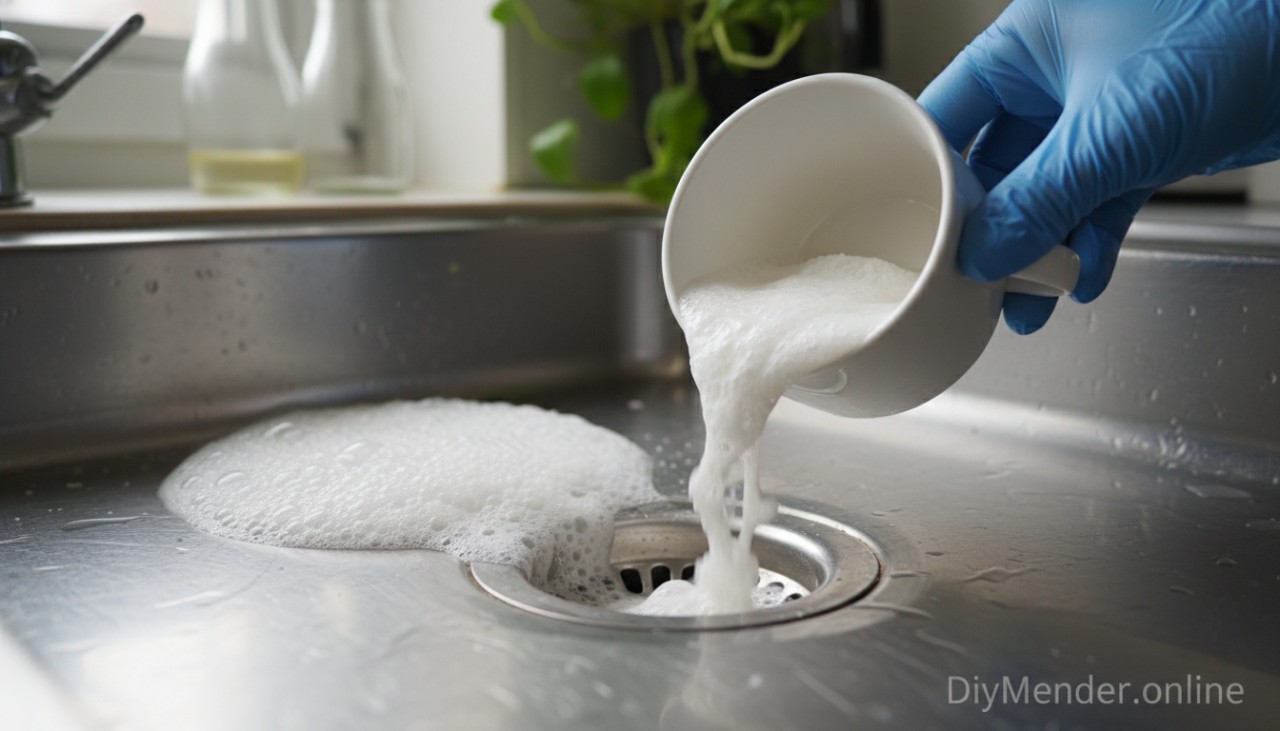
First, check if food debris or buildup in the drain is causing the odor. Clearing out these materials can eliminate the smell quickly. Pour a mixture of baking soda and vinegar down the drain once a week to naturally deodorize and clean it. This not only neutralizes odors but also helps prevent clogs.
Causes of Kitchen Sink Odor
Odors from your kitchen sink are often caused by decomposing food particles, grease buildup, and bacteria within the drain pipes. Over time, even small amounts of organic material can lead to significant smells. If ignored, these problems may worsen, leading to more stubborn odors and potential plumbing issues.
Importance of Addressing Sink Smells
Addressing these smells isn't just about comfort—it also prevents potential plumbing issues. Left unchecked, food residues and fats can solidify, causing blockages that are harder to remove. Regular maintenance thus keeps your entire kitchen environment hygienic and pleasant.
Practical Solutions to Eliminate Odor
Here are several effective methods to tackle unpleasant sink odors:
- Baking Soda and Vinegar: As previously mentioned, this combination is excellent for breaking down buildup and neutralizing smells. Allow it to fizz and sit for a few minutes before rinsing with hot water.
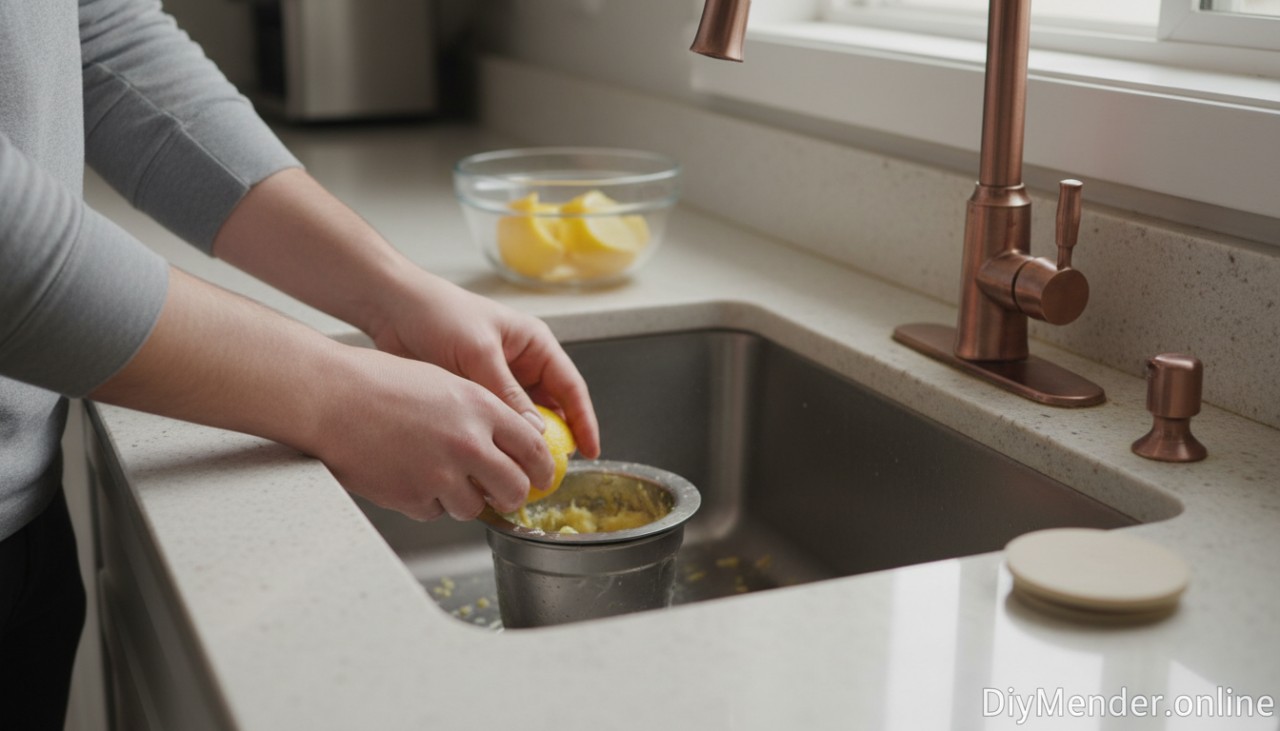
- Lemon Peels: Grinding lemon peels in your garbage disposal not only refreshes the drain but also provides a natural citrus scent.
- Salt and Ice: Running a combination of ice cubes and coarse salt through the garbage disposal can help dislodge any stuck-on debris, sharpening the blades and reducing odor.
- Boiling Water: Simply pouring boiling water down the drain can help dissolve and wash away grease or minor blockages.
Selecting the Right Solution
Choose a method based on the severity and type of the odor. For instance, persistent or strong odors might require a combination of baking soda and vinegar treatments followed by lemon peels. For minor or recent smells, boiling water or a quick lemon peel grind may suffice.
When to Call a Professional
If persistent smells continue despite regular cleaning and maintenance, it might indicate a deeper plumbing issue. In such cases, consulting a professional plumber can identify and solve underlying problems that homemade solutions can't tackle.
Preventive Measures for Long-term Freshness
Maintaining habits like regular cleaning, not pouring grease down the sink, and using strainers to catch food debris can prevent the buildup that causes odors. Consider periodic deep-cleaning of the pipes if necessary.
FAQs About Kitchen Sink Odors
- How often should I clean my kitchen sink? It is advisable to perform a light cleaning daily with more thorough cleanings weekly or as needed.
- Can chemical cleaners work better than natural solutions? Chemical cleaners can be effective for tough clogs or smells, but they can also damage pipes over time. Natural solutions are generally safer for regular use.
- How do I know if the smell is coming from the sink or another part of the plumbing? Close the sink drain with a stopper. If the smell persists, it might indicate a broader plumbing issue.
Regular maintenance and the right methods can ensure your kitchen sink remains a fresh and welcoming part of your home. Armed with these tips, you can address odors effectively and enjoy a clean kitchen environment.