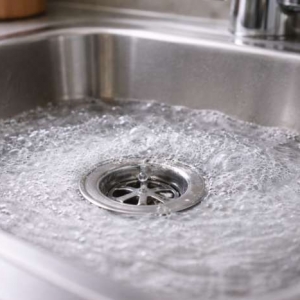
Have you ever wondered where the water from your sink goes after you use it? Understanding the journey of sink water is important for maintaining a healthy plumbing system in your home. After all, the water that disappears down the drain doesn't just vanish into thin air. It has a specific path and purpose.
Quick Answer
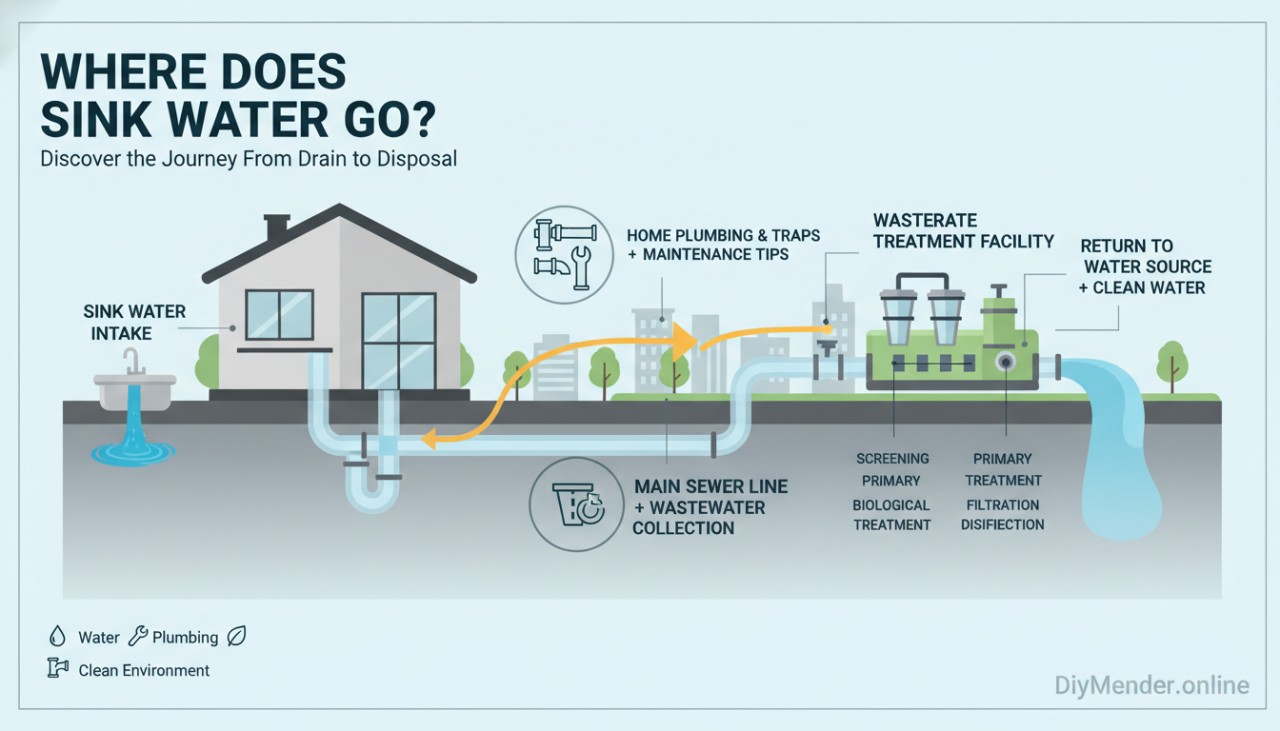
Sink water generally flows through your home's plumbing system into a main sewer line or septic tank. From there, it is directed to a wastewater treatment facility, where it is treated and then released back into the environment.
The Path of Sink Water
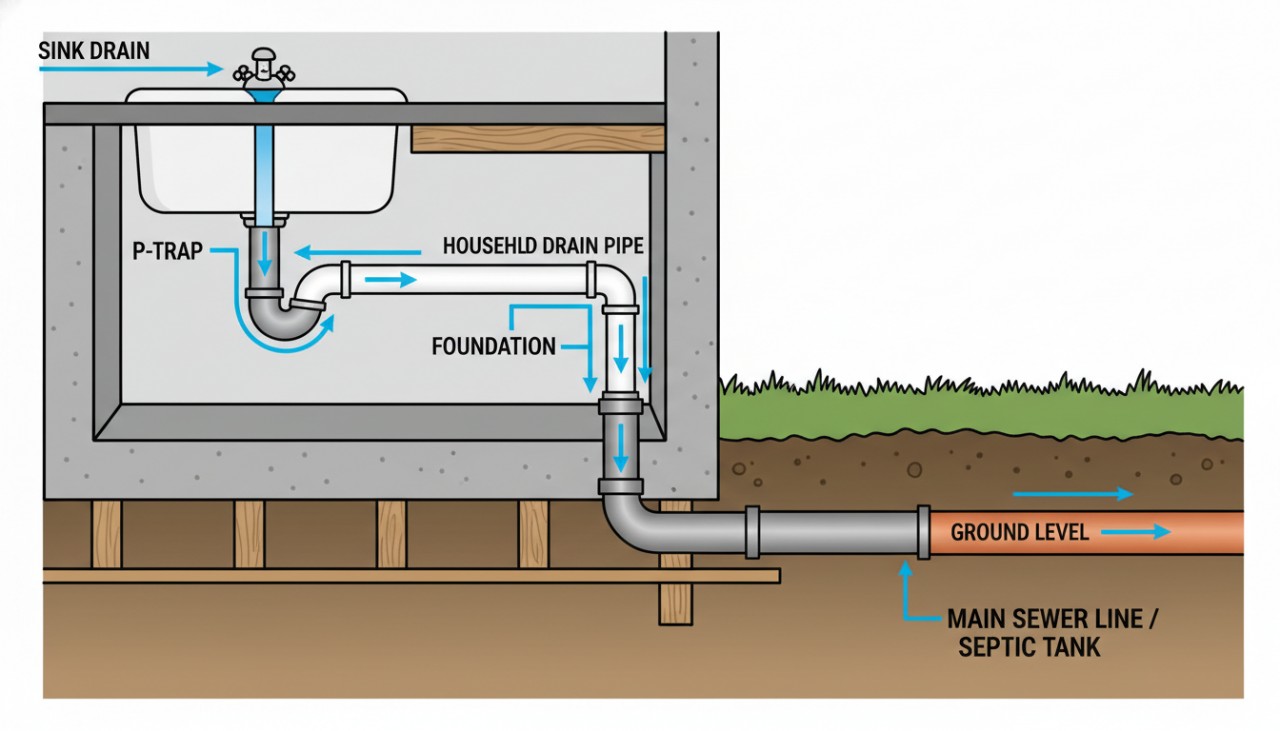
When you open the tap and water goes down the drain, it enters a network of pipes in your home. These pipes are part of a larger plumbing system that directs wastewater away from your house. Typically, the water flows into a main sewer line that connects to a municipal sewer system or a private septic tank, depending on your living area.
 sink drain with tools and preventive measures like drain covers." title="Photograph of a homeowner cleaning a sink drain with tools and preventive measures like drain covers." class="overly-article-img">
Why It Matters
The proper functioning of this system is crucial for hygiene and environmental reasons. If the water does not flow smoothly or the pipes get clogged, it can lead to unpleasant odors, water backups, and even health hazards. Understanding where sink water goes helps us appreciate the importance of routine plumbing maintenance and the role it plays in environmental protection.
Steps to Ensure Smooth Drainage
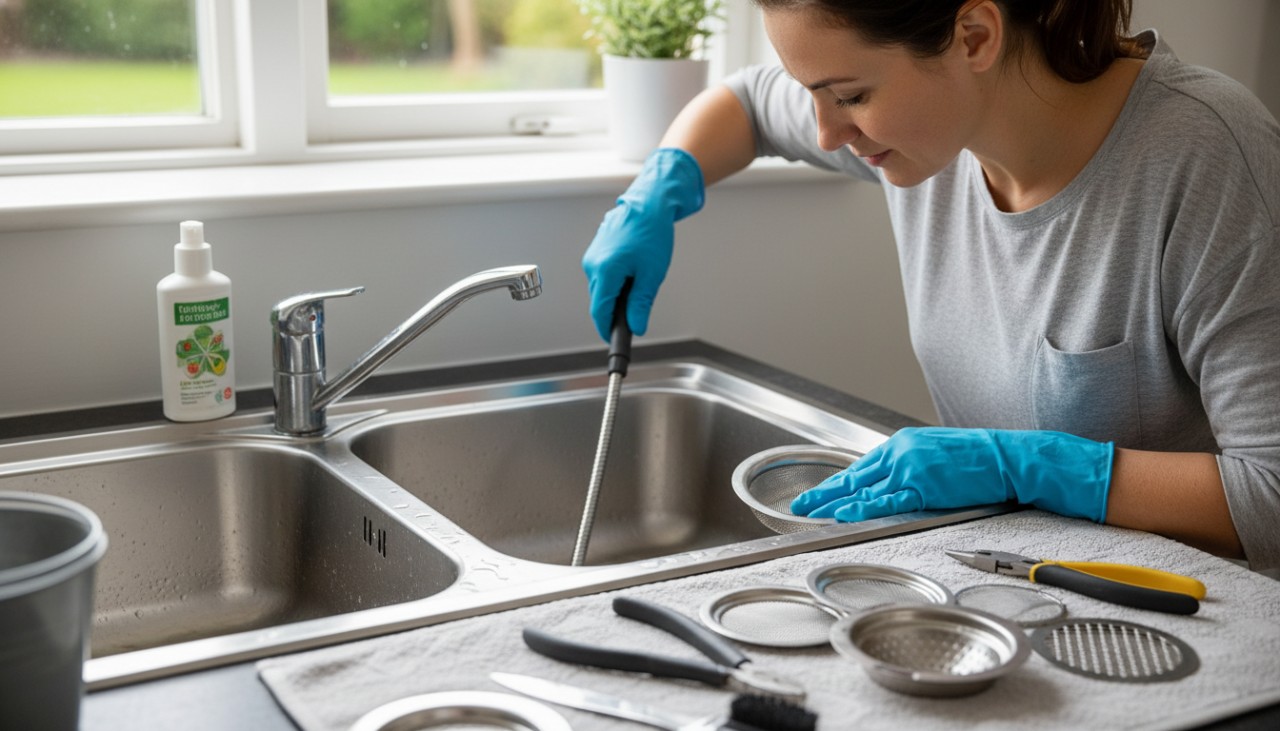
- Regularly clean your sink to prevent buildup of soap scum and hair.
- Avoid pouring grease or coffee grounds down the drain.
- Use a drain cover to catch debris and prevent clogs.
- Perform routine checks on pipes for any leaks or corrosion.
When to Seek Professional Help
While some plumbing issues can be handled with DIY solutions, there are times when professional help is necessary. If you notice persistent clogs, slow drainage, or unusual odors coming from your sink, it might be time to call a plumber. Professionals can diagnose and rectify issues that are not visible to the untrained eye, ensuring your plumbing system functions optimally.
Prevention and Best Practices
To prevent plumbing issues, adopt regular maintenance habits. Schedule annual inspections of your plumbing system, be mindful of what you dispose of in your sink, and educate household members about proper sink usage. These practices contribute to a longer lifespan for your plumbing system and reduce the need for costly repairs.
FAQs
What happens to sink water in a septic system?
In a septic system, sink water enters a septic tank where solids settle and are broken down by bacteria. The liquid then flows into a drain field for further filtration before returning to the ground.
Can sink water affect the environment?
Yes, untreated sink water can carry pollutants that harm the environment. Wastewater treatment facilities ensure that water is treated before it re-enters natural water sources.
How often should I clean my sink drains?
You should aim to clean your sink drains at least once a month to prevent clogs and maintain smooth water flow.
Understanding the journey of sink water helps us appreciate the complexity and importance of plumbing systems in our homes. By ensuring regular maintenance and being mindful of what goes down the drain, we can keep our plumbing systems in good health and contribute to environmental sustainability.