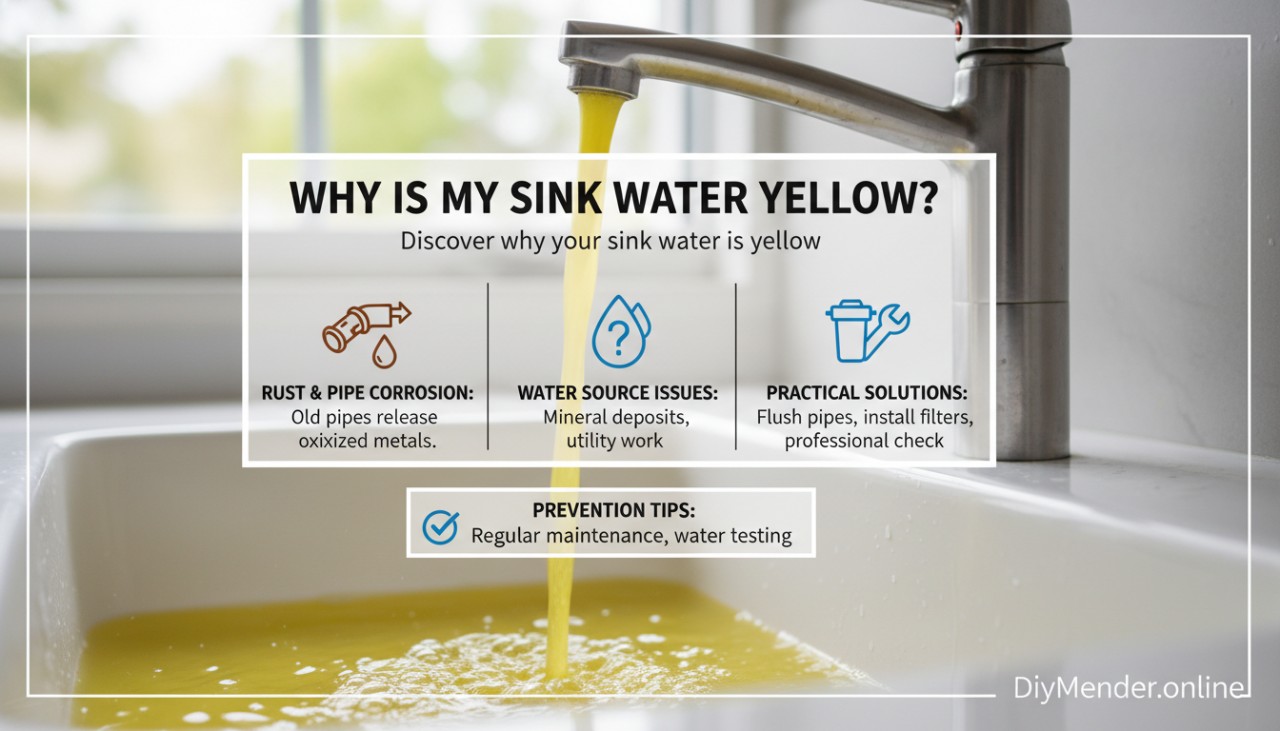
Have you noticed that your sink water has taken on a yellowish hue? This can be a concerning issue for any homeowner. Yellow water in your sink can be due to a variety of reasons, ranging from harmless to more serious concerns that require immediate attention. Understanding why your sink water is yellow is the first step to addressing the problem effectively.
Quick Answer
Your sink water may appear yellow due to rust from aging pipes, sediment from the water supply, or issues with the water heater. It's essential to identify the specific cause to determine the appropriate solution.
Understanding Yellow Water in Your Sink
When you turn on the tap and see yellow water flowing out, it's usually a sign of some form of contamination or a reaction occurring within your plumbing system. This discoloration can be unsettling, especially if you're unsure of the cause. It's important to know that while some causes are benign, others may require prompt action to ensure your water is safe for use.
Common Causes of Yellow Sink Water
- Rust and Corrosion: If your pipes are made of iron, rust can build up over time and lead to yellow or brownish water. This is common in older homes with aging plumbing systems.
- Sediment in Water Supply: Sediments from the main water supply line can sometimes enter your home’s plumbing, especially after maintenance work or a disturbance in the water line.
- Issues with Water Heater: A malfunctioning water heater can cause yellow water, particularly if the tank is rusting inside or if mineral deposits have accumulated.
- Municipal Water Problems: Occasionally, issues with the municipal water supply, such as pipe maintenance or changes in water flow, can result in temporary discoloration.
Why It Matters
Yellow water can be more than just an aesthetic issue; it may signify potential health risks if contaminants are present. Additionally, it can stain fixtures and laundry, and in some cases, it may indicate that your plumbing system is in need of repair or replacement.
What to Do When You Notice Yellow Water
- Run Your Water: Start by running your water for a few minutes to see if the discoloration clears. This can sometimes flush out any temporary disturbances.
- Check Multiple Faucets: Test different faucets in your home to determine if the issue is isolated to one area or affecting the entire house.
- Inspect Your Water Heater: Drain and flush your water heater to remove any sediment buildup that could be causing the discoloration.
- Contact Local Water Authority: If you suspect the issue is with the municipal supply, reach out to your local water authority to report the problem and get more information.
When to Call a Professional
If the problem persists or if you notice a metallic taste or odor accompanying the yellow water, it is advisable to contact a plumbing professional. They can perform a thorough inspection and suggest repairs or replacements if necessary.
Preventing Future Discoloration
- Regularly maintain and inspect your plumbing system for wear and tear.
- Install a water filtration system to help remove impurities and prevent sediment buildup.
- Schedule annual water heater maintenance to keep it functioning efficiently.
Frequently Asked Questions
Is yellow water safe to drink?
While yellow water is often not harmful, it’s best to avoid consuming it until the source of the discoloration is identified and resolved.
Can yellow water stain clothes?
Yes, washing clothes in yellow water can lead to staining, especially with whites and light colors.
How often should I flush my water heater?
It's recommended to flush your water heater at least once a year to prevent sediment buildup.
Understanding why your sink water is yellow and taking appropriate action can help maintain the quality and safety of the water in your home. Regular maintenance and prompt investigation of any changes in water color can prevent long-term issues and ensure peace of mind.