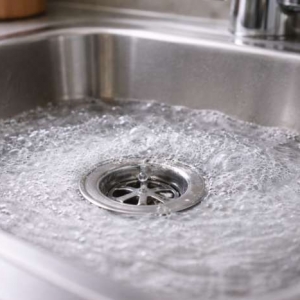
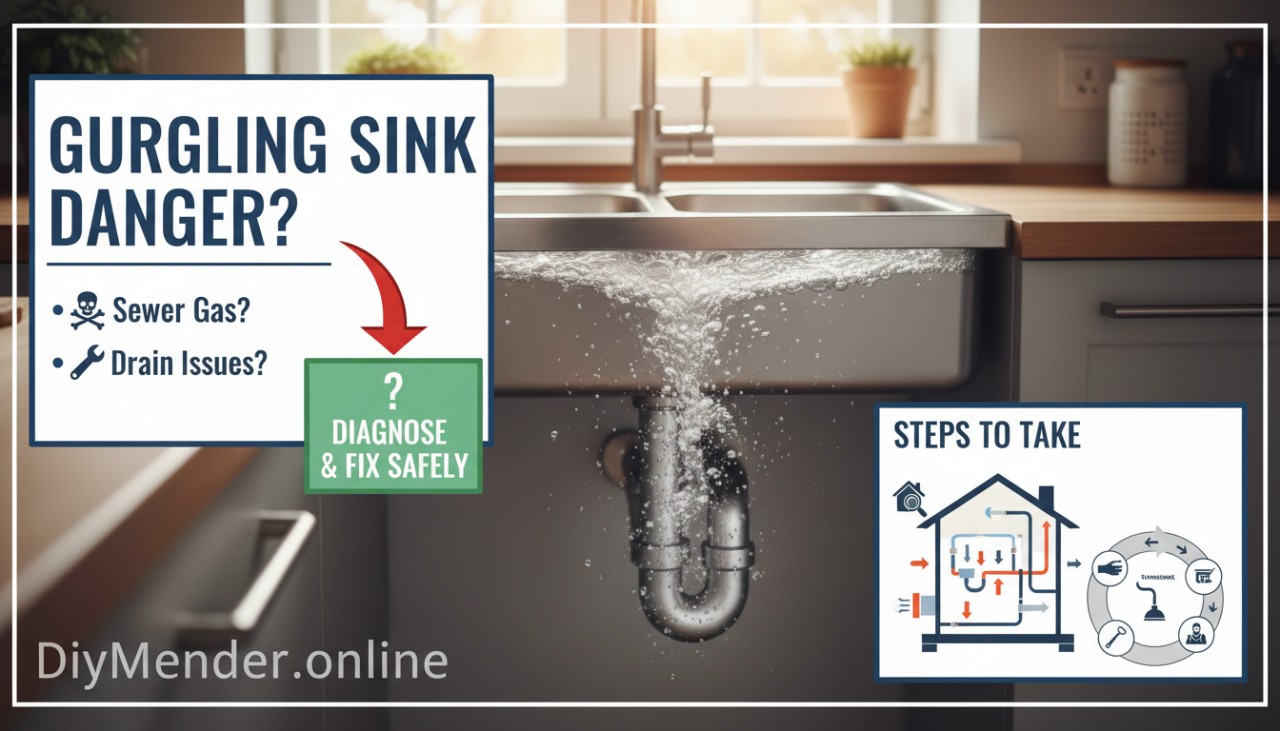
I get asked this a lot after someone hears that hollow “blub-blub” after the sink drains: is a gurgling sink dangerous? Short answer: it can be a warning, and sometimes a safety issue, depending on the cause and what else you notice—especially odors or multiple fixtures acting up.
Is a Gurgling Sink Dangerous? What It Can Signal
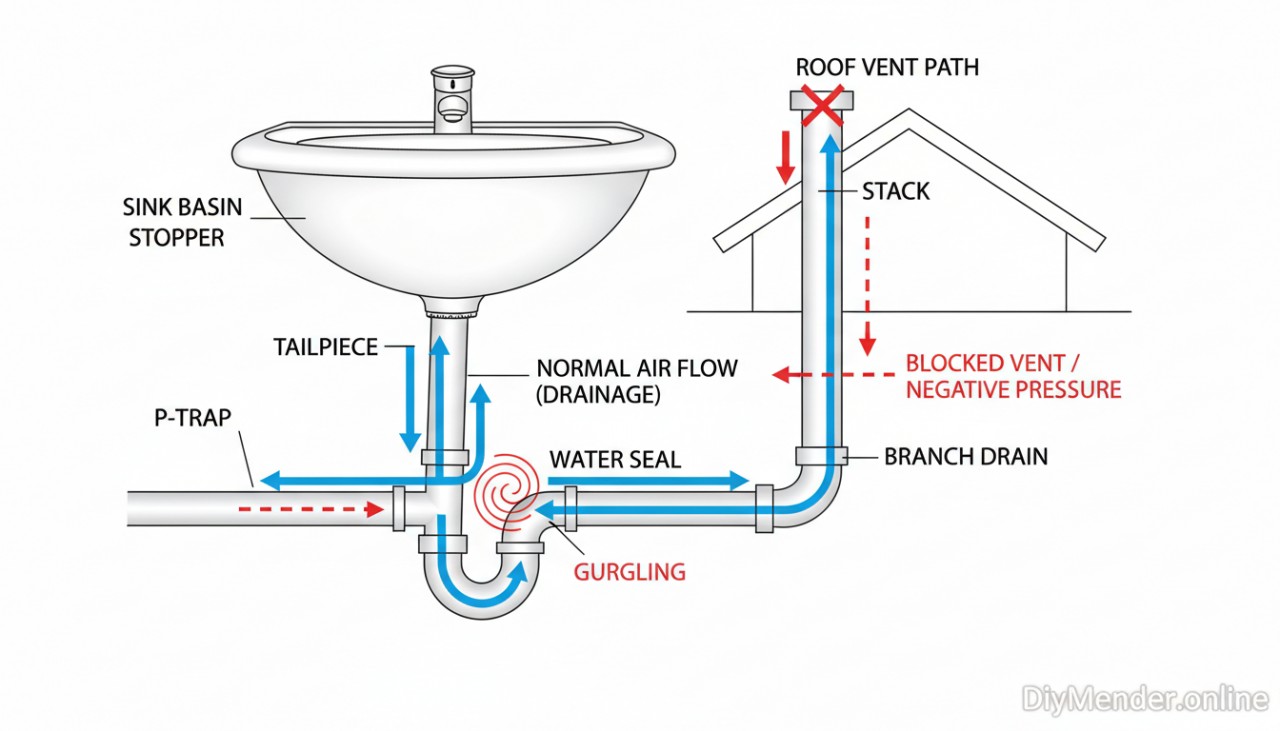
Gurgling usually means air is fighting to get into, or out of, your drain lines. Plumbing works best when air flows freely through the vent system while water goes down the pipes. When vents are blocked or a drain is partially clogged, the system pulls air through the trap, and you hear that gurgle. That can point to a few risks:
- Sewer gas entering the room if traps are being siphoned dry or a vent is blocked
- Impending blockage that could cause backups and unsanitary overflows
- Negative pressure strong enough to disturb other traps, spreading odors through the house
- Hidden leaks from slow drains causing cabinet damage, mold, and rot
On its own, a single gurgle from a rarely used sink isn’t automatically an emergency. But combine gurgling with rotten-egg smells, multiple slow fixtures, or a toilet that “burps,” and it’s time to act.
Why drains gurgle in real homes
In my experience, most gurgles fall into one of these buckets:
- Partially clogged sink drain or branch line: hair, grease, coffee grounds, or soap scum narrow the pipe. Water drags past the obstruction and yanks air through the trap.
- Vent problem: the roof vent can be blocked by leaves, birds’ nests, frost, or even a dead critter. Without air supply, the system slurps air through traps instead.
- Septic or main sewer line trouble: when multiple fixtures gurgle—especially a toilet or tub—it can be a downstream obstruction or a saturated septic system.
- Dry or shallow trap: seldom-used sinks can lose water to evaporation, letting sewer gas sneak in. Some modern “low-profile” traps also lose seal faster when the venting is poor.
Safety implications you shouldn’t ignore
Gurgling is a symptom, and the safety concern is what it’s pointing to:
- Sewer gas exposure: hydrogen sulfide and methane can irritate eyes and airways; high concentrations are dangerous. In homes, it’s usually a nuisance level—but chronic exposure isn’t acceptable.
- Unsanitary backups: if the gurgling escalates to slow drains and then to backups, you’re dealing with contaminated water that can spread bacteria into kitchens or baths.
- Chemical hazards: if someone used a liquid drain cleaner, that chemical can linger. Snaking or disassembling traps afterward can splash caustic fluid—use eye/hand protection.
- Roof risks: investigating a vent sometimes means going on the roof. Falls are a bigger hazard than the gurgle itself. Work from the attic if you can, or call a pro.
Quick checks before you panic
These are low-risk, practical steps I’ve used to tell the difference between a minor nuisance and a looming problem.
- Sniff test: any persistent rotten-egg or musty sewer odor around the sink? That leans toward a vent or trap problem. Ventilate the room right away.
- Fixture isolation: does only one sink gurgle, or do the tub and toilet nearby make noises too? Multiple fixtures point downstream—main line or vent stack.
- Water seal check: shine a light down the sink drain. If you can’t see water in the trap curve (or the room smells), run the faucet 10–15 seconds to refill the trap and see if the gurgling changes.
- Performance: is the sink slow to drain or is water rising before it goes down? That’s a classic partial clog sign.
What usually fixes a harmless gurgle
If it’s a single sink with no odor and decent drain speed, start simple:
- Clean the stopper and tailpiece: hair and gunk right at the top can cause more turbulence than you’d think. Pull the stopper, scrub it, and clear the opening.
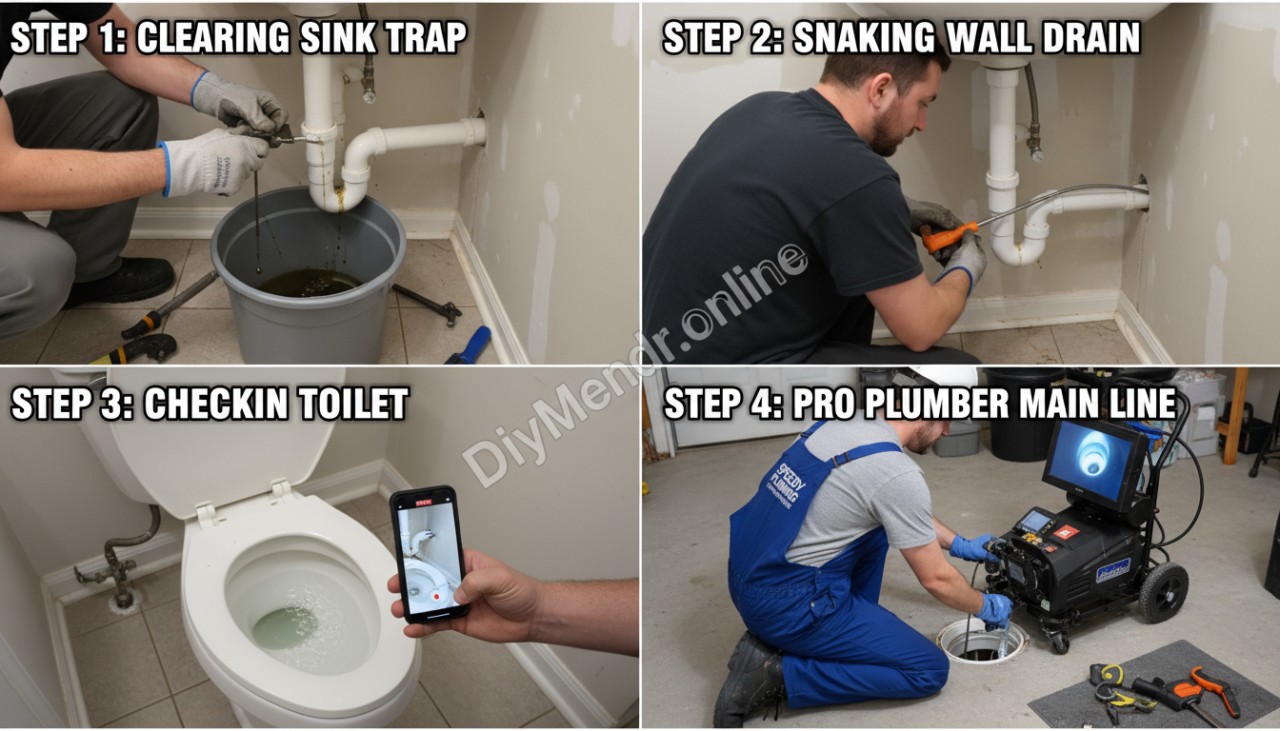
- Remove the trap safely: place a bucket and towel, loosen the slip nuts by hand or with pliers, and clean out the P-trap. If you’ve used chemical drain cleaner, wear gloves and eye protection.
- Snake the branch: a 1/4-inch hand auger can reach 10–15 feet into the wall. Feed gently and rotate to break through buildup.
- Flush with hot water and a tiny bit of dish soap: this lubricates the pipe’s interior after mechanical cleaning. Avoid dumping boiling water into PVC.
When the gurgle means “check the vent”
Repeated gurgling after you’ve cleaned the trap, especially with a faint sewer smell, often means the vent isn’t letting air in. Signs include glugging from one fixture when another drains (like the sink gurgles when the tub empties). If you can access the vent from the attic and see daylight, that’s promising. If it’s iced over or packed with debris at the roof, do not climb a slick roof. A plumber can clear vents with a proper auger from the roof or snake up from a cleanout.
Red flags that move this from nuisance to hazard
- Strong sulfur/rotten-egg odor that doesn’t dissipate with ventilation
- Gurgling across multiple fixtures or a toilet “burping” when the sink drains
- Backups at the lowest drain in the house (often a basement floor drain)
- Gurgle plus slow draining after heavy rain (possible saturated septic or infiltration)
- Any sign of sewage at cleanouts or in a tub/shower on the same branch
Those symptoms suggest a main line obstruction or septic issue. Continuing to run water can push sewage into living spaces—shut off water use and call a pro.
Common mistakes I see homeowners make
- Overusing chemical drain cleaners: they rarely fix vent problems and can harden clogs, damage old pipes, and make later repairs hazardous.
- Ignoring a dry trap: rarely used guest-bath or basement sinks need a monthly cup of water to maintain the seal. A teaspoon of mineral oil slows evaporation.
- Assuming the noise is “just pipes settling”: gurgles are airflow symptoms, not thermal creaks. Treat them as diagnostic clues.
- Pulling the roof-vent cap without fall protection: one slip costs far more than a service call.
Simple, safe diagnostic flow
Work from least invasive to most:
- Ventilate, listen, and smell. Confirm whether there’s odor.
- Clean stopper and trap. Test drain speed.
- Hand-snake 10–15 feet. Retest.
- Check nearby fixtures for cross-symptoms (toilet/tub).
- If multiple fixtures are affected or odor persists, schedule a plumber for vent clearing or a camera inspection.
Costs and expectations if you call a pro
For a single fixture clog, expect a basic service call and snaking. Vent clearing from the roof or a camera inspection costs more, but it’s the right move when the problem is beyond the trap. If you’re on a septic system and multiple fixtures gurgle, a tank inspection and potential pump-out may be recommended. Spending once on proper diagnosis beats repeated guesswork.
What’s safe to DIY—and where to draw the line
Safe to DIY: cleaning stoppers, removing traps, hand-snaking a short run, and refilling dry traps. Use gloves and eye protection, and lay towels. Avoid mixing chemicals and never open piping right after a chemical cleaner.
Call a pro: persistent odor, gurgling across multiple fixtures, backups at the lowest drain, suspected main-line or septic issues, roof vent clearing, or any time you’re unsure. If you smell strong sewer gas and feel lightheaded, get fresh air immediately and seek help.
Bottom line
A gurgle is your plumbing asking for air. Sometimes it’s a minor clog you can clear in 30 minutes. Other times it’s the early warning for sewer gas leaks or a main-line blockage. Pay attention to odors and whether other fixtures join the chorus. Handle the simple checks, and don’t hesitate to bring in a pro when the signs point downstream.